Drills, Training & Accessibility
The human side of evacuation planning. Practical guides to running fire drills and tabletop exercises, drill-frequency requirements by occupancy, ADA evacuation planning, Personal Emergency Evacuation Plans (PEEPs), evacuation chairs and stair-descent devices, multi-language plans, and post-evacuation accountability.
14 in-depth guides in this cluster

All articles in this cluster
Why Evacuation Plans Are Important: Key Benefits
An in-depth exploration of why every building needs a professional evacuation plan, covering legal requirements, liability protection, insurance considerations, employee confidence, and lessons from real emergencies.
How to Create an Effective Evacuation Plan
A practical step-by-step guide for creating effective evacuation plans, from initial building assessment through route planning, equipment marking, staff training, and ongoing plan maintenance.
Common Evacuation Plan Mistakes and How to Avoid Them
An essential guide to the most common evacuation plan mistakes that compromise building safety, with practical advice on how to identify and correct each issue.
Digital vs. Traditional Evacuation Planning
A detailed comparison of hand-drawn, software-based, and professionally contracted evacuation planning approaches, highlighting the advantages of digital tools for cost, consistency, and ongoing maintenance.
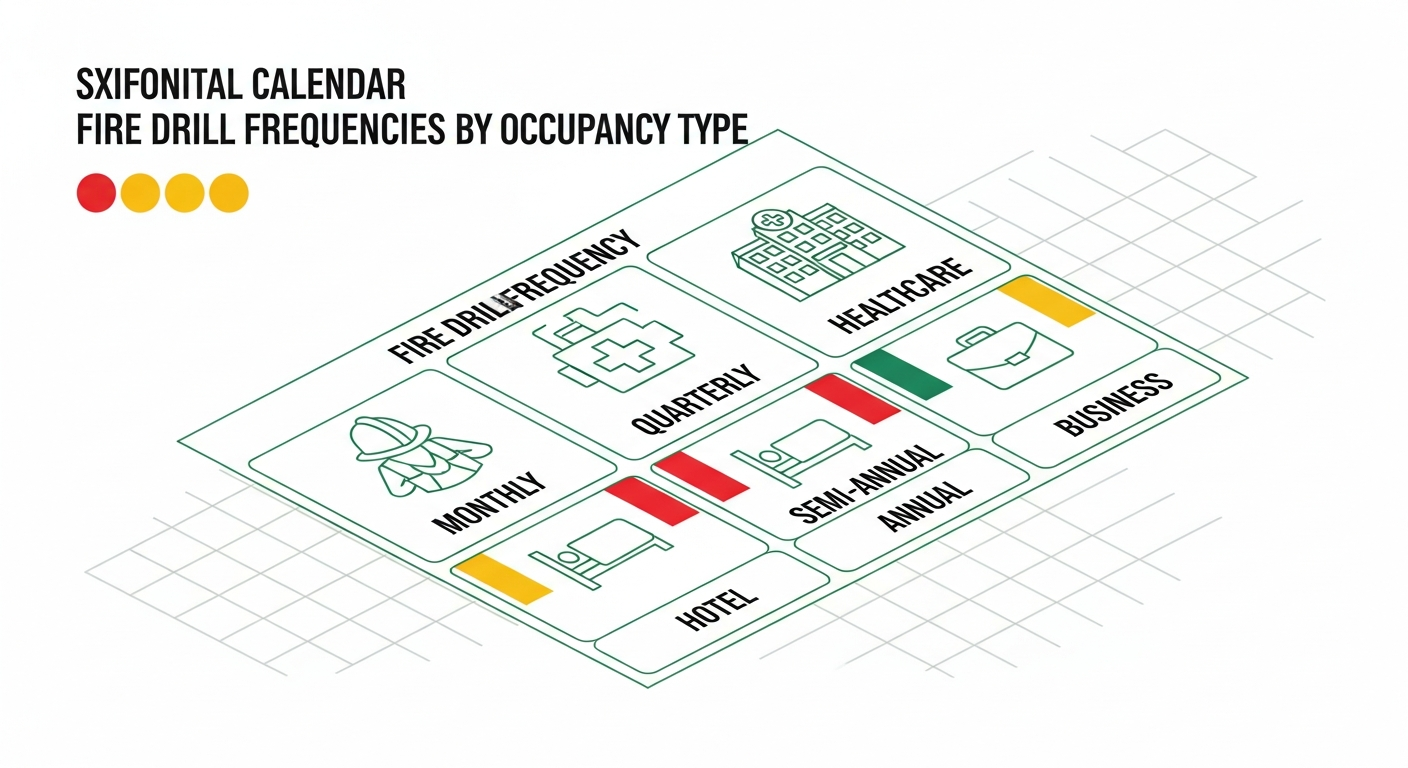
Fire Drill Frequency by Occupancy: NFPA 101, IFC and State Requirements for Schools, Healthcare, Hotels and Offices
How often you must conduct a fire drill depends entirely on your occupancy classification. This guide tabulates the drill frequency requirements under NFPA 101, the IFC, and the most common state code adoptions.
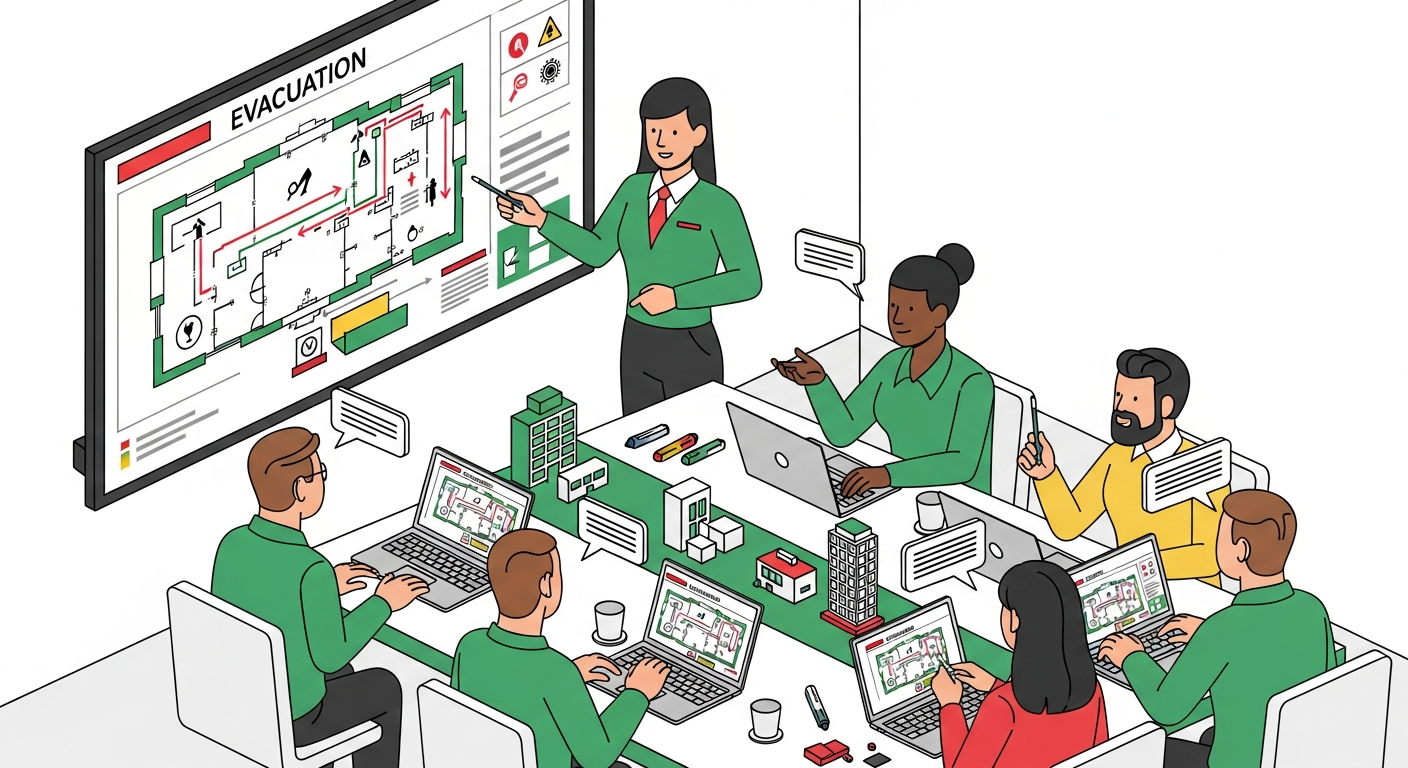
Tabletop Exercise Templates for Evacuation: Scenarios, Facilitator Scripts and After-Action Reviews
Tabletop exercises are low-cost, low-disruption ways to test an evacuation plan and identify weaknesses without actually evacuating the building. This guide provides scenario templates and facilitator structure for effective tabletops.
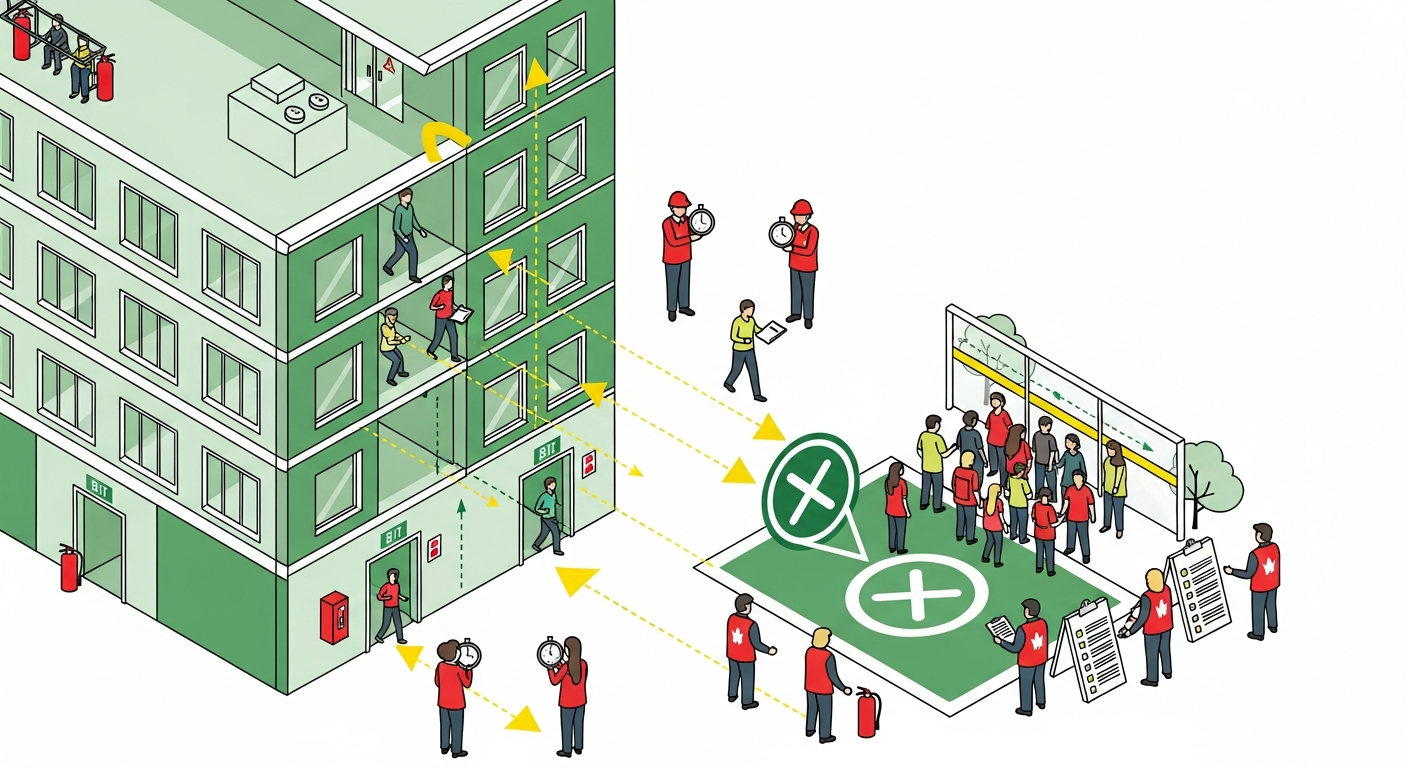
How to Conduct an Effective Fire Drill: Planning, Execution and Observation Templates
An effective fire drill is more than activating an alarm and waiting for occupants to leave. This guide walks the planning, execution and after-action steps that turn a drill from a check-box exercise into a real preparedness improvement.
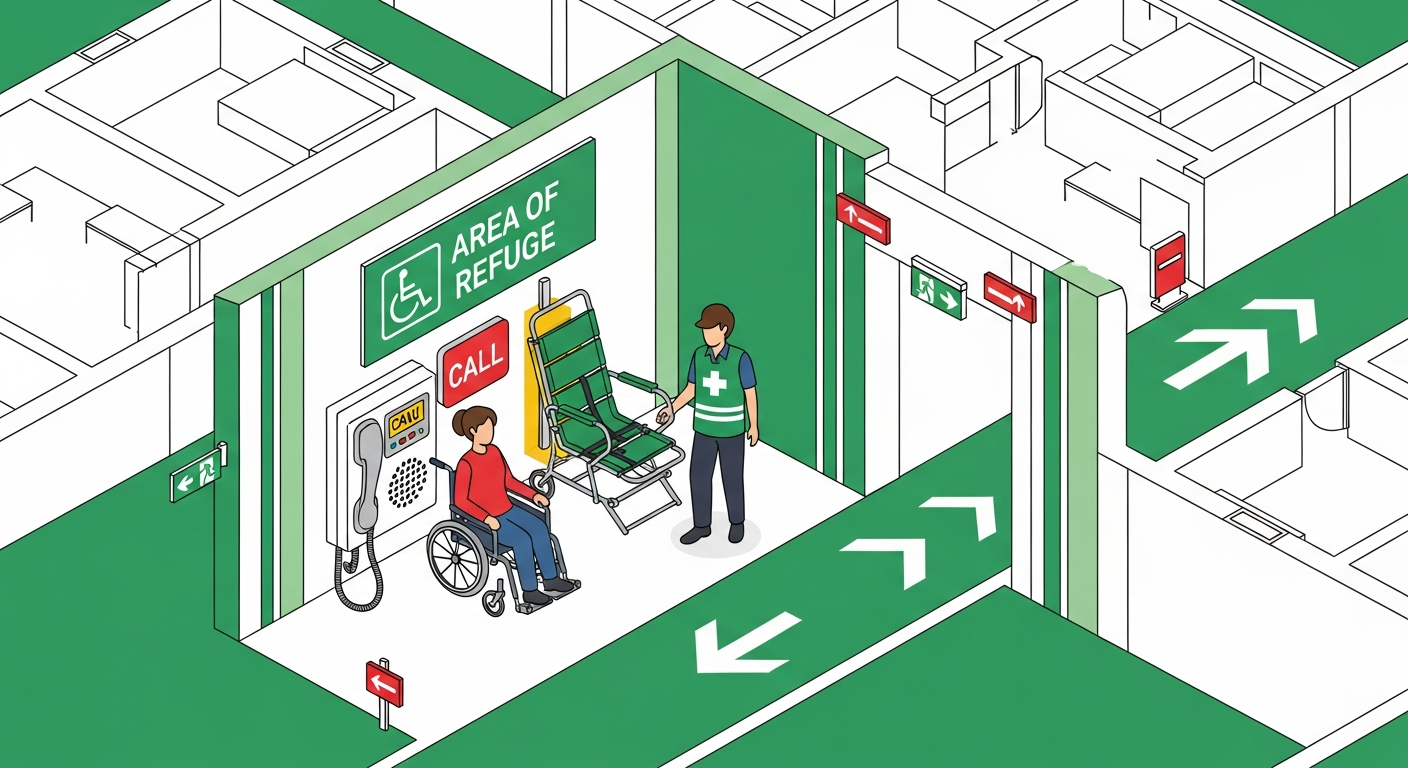
ADA Evacuation Planning Essentials: Accessible Routes, Areas of Refuge, PEEPs and Two-Way Communication
ADA evacuation planning ensures that occupants with disabilities are not left behind. This guide covers accessible routes, areas of refuge, PEEPs, two-way communication, and the training every facility needs.
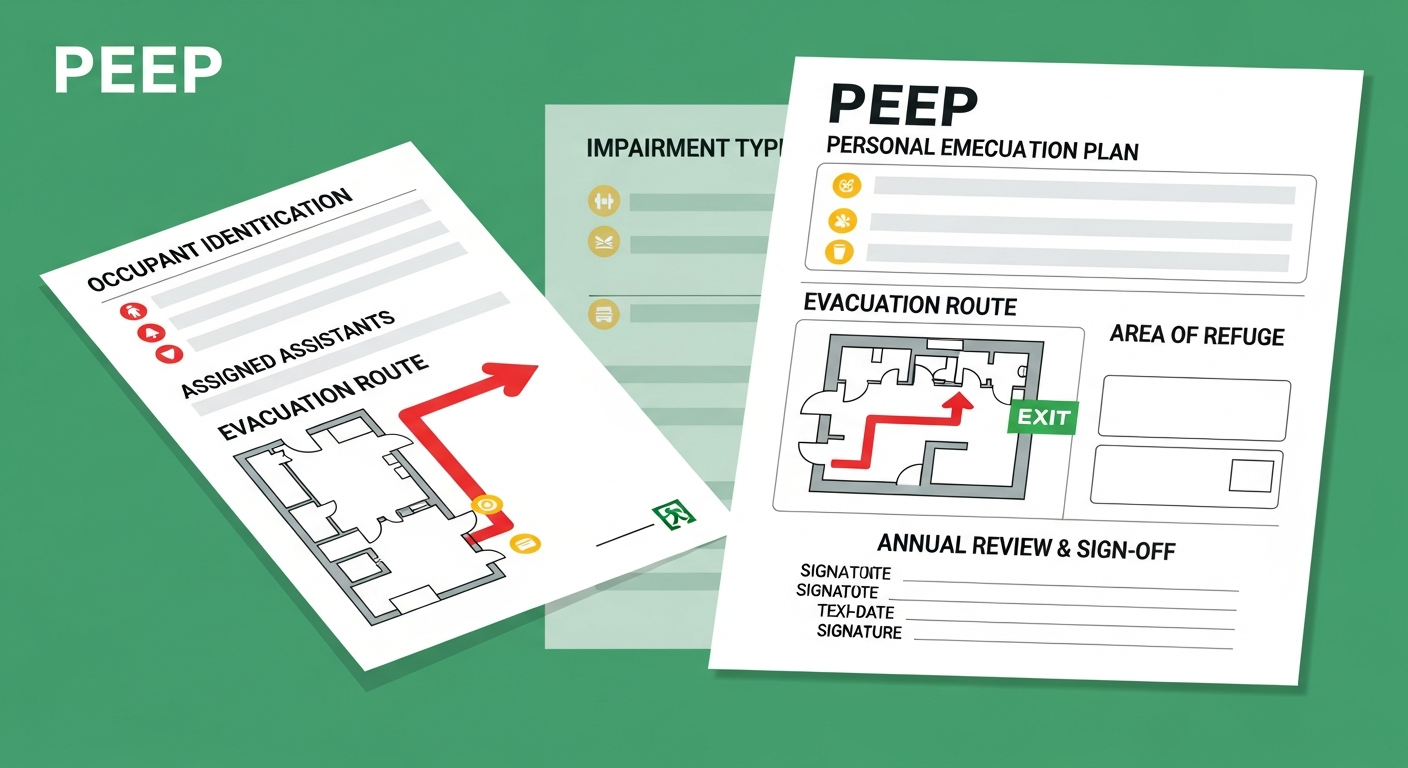
Personal Emergency Evacuation Plans (PEEPs): Templates, Assistants, Privacy and Annual Review
A PEEP is a written individualized evacuation plan for each occupant who needs assistance during an emergency. This guide provides a complete PEEP template and the procedural framework for managing PEEPs across an organization.
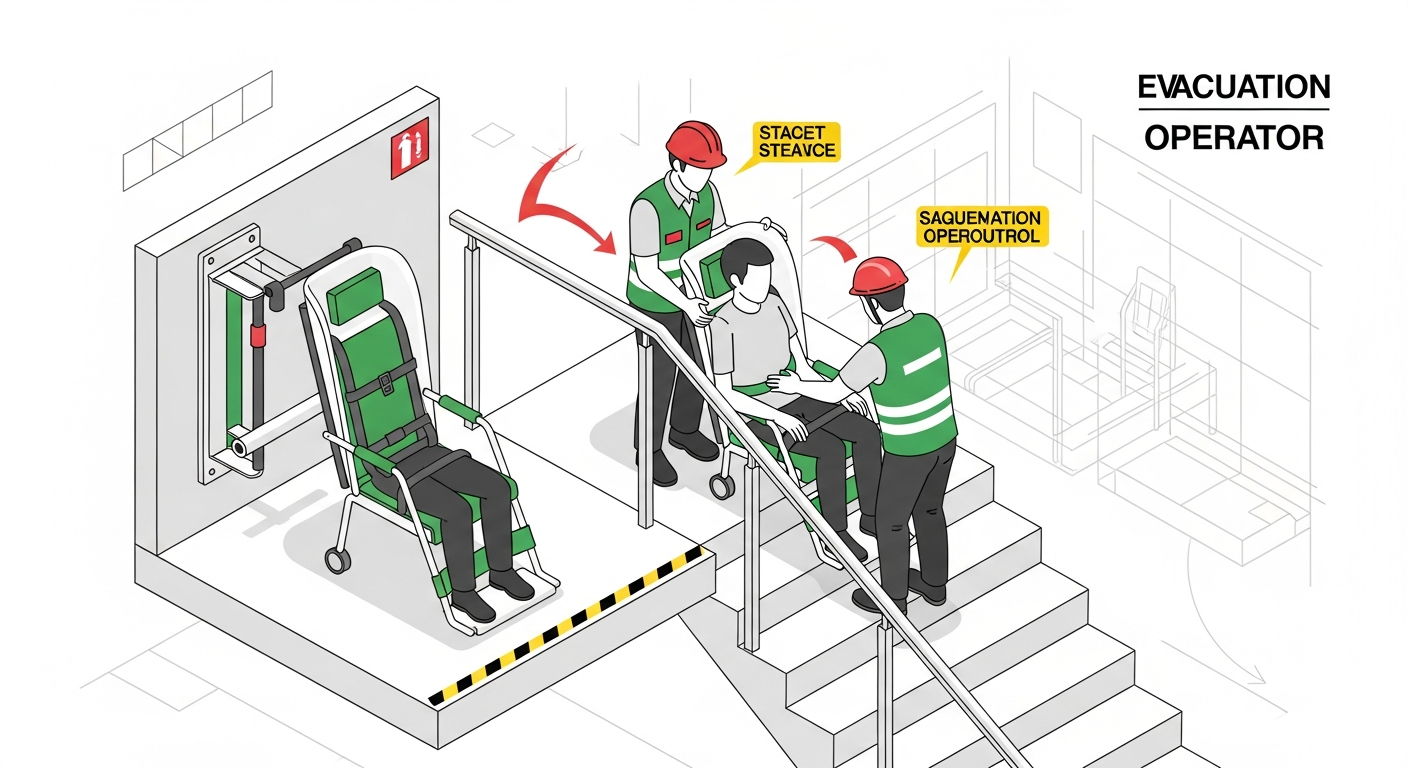
Evacuation Chairs and Stair Descent Devices: Selection, Placement, Training and Operation
Evacuation chairs allow mobility-impaired occupants to descend stairs safely during evacuation. This guide covers product selection, placement, training and operational best practices for stair descent devices.
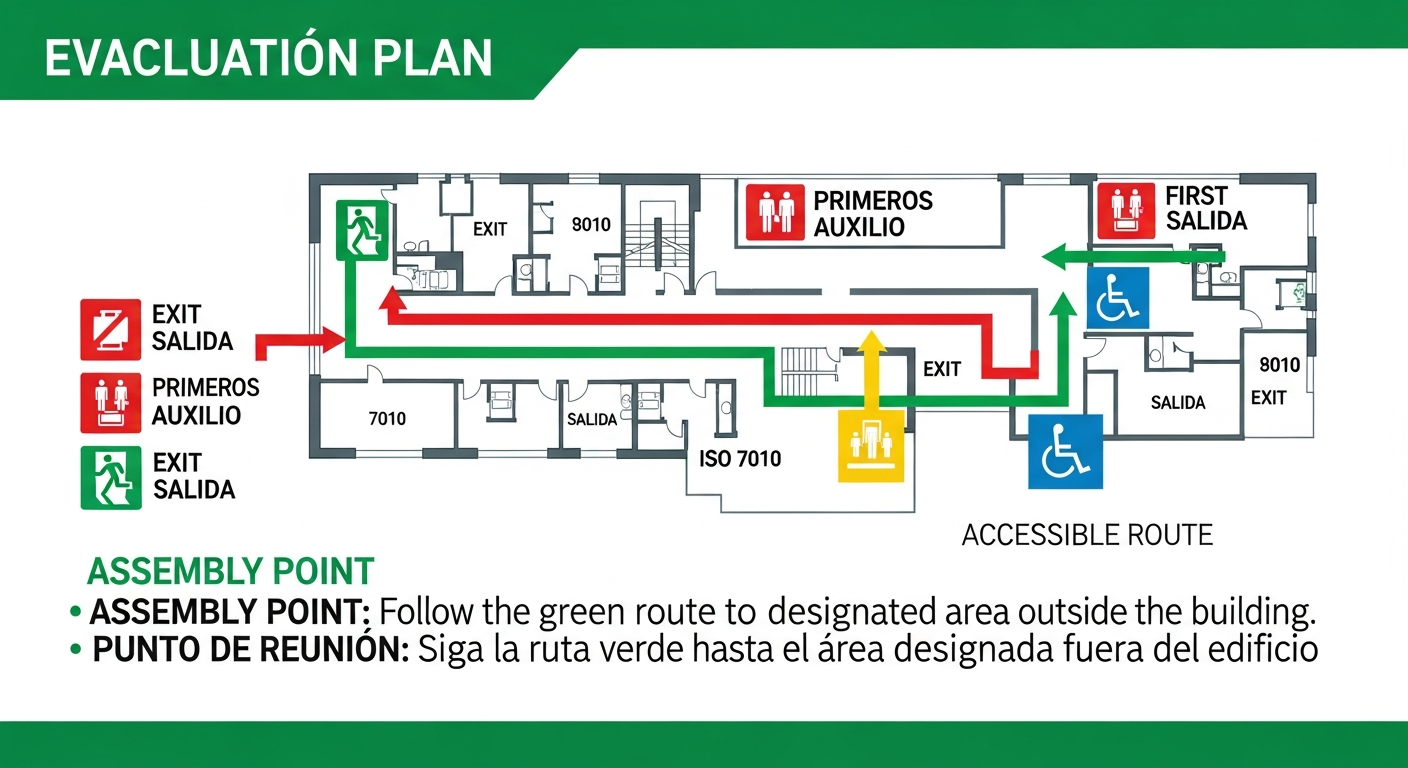
Multi-Language Evacuation Plans: Best Practices for International Workforces, Tourists and Limited-English Occupants
Many U.S. facilities serve occupants who do not read English fluently. This guide explains how to design evacuation plans that work for multilingual occupant populations.
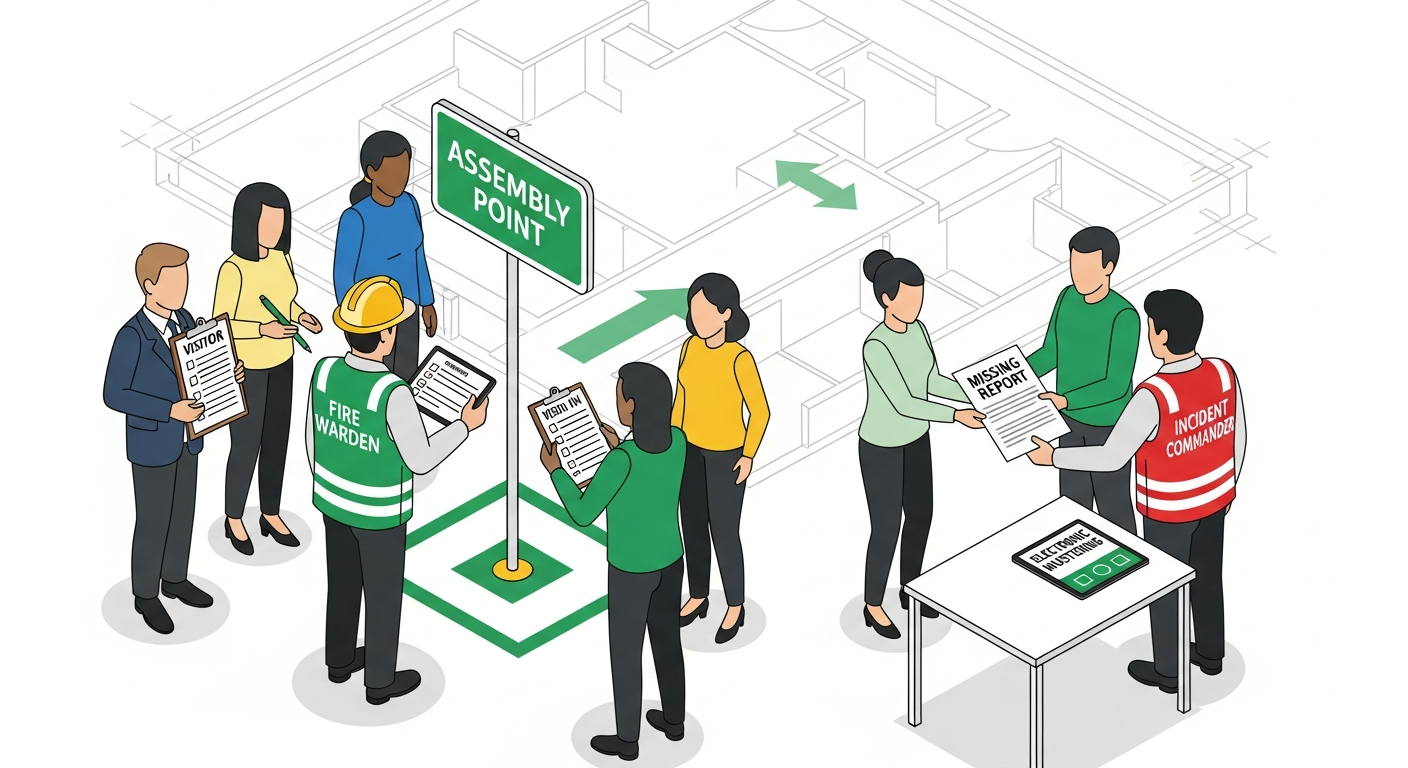
Post-Evacuation Accountability Procedures: Roster Management, Visitor Tracking, Electronic Mustering and Missing-Person Protocols
Getting everyone out of the building is only half of an evacuation; verifying everyone is accounted for is the other half. This guide explains roster management, visitor tracking, electronic mustering and missing-person protocols.
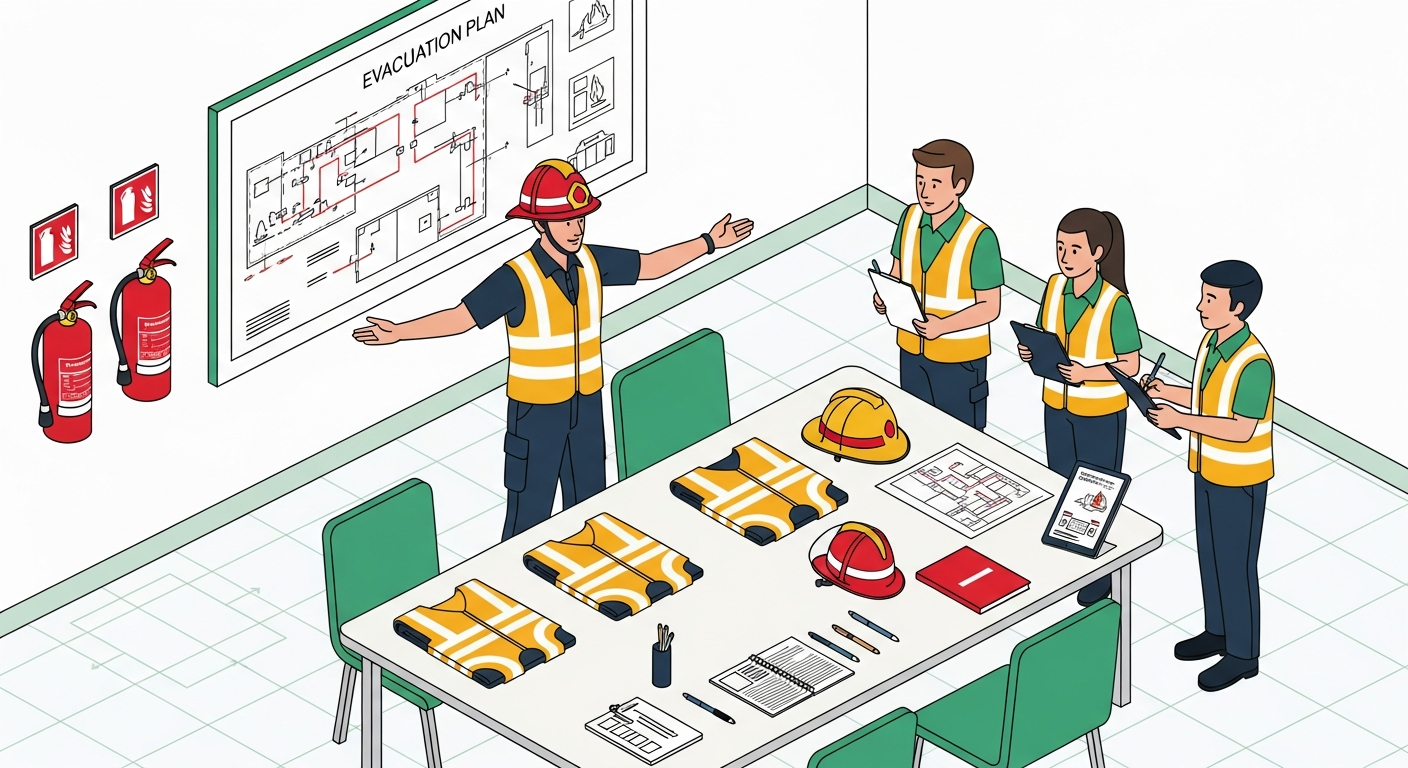
Training Fire Wardens and Floor Marshals: Roles, Responsibilities, Curriculum and Recertification
Fire wardens and floor marshals are the front-line responders during any evacuation. This guide explains role definitions, responsibilities, training curriculum and recertification for an effective warden program.
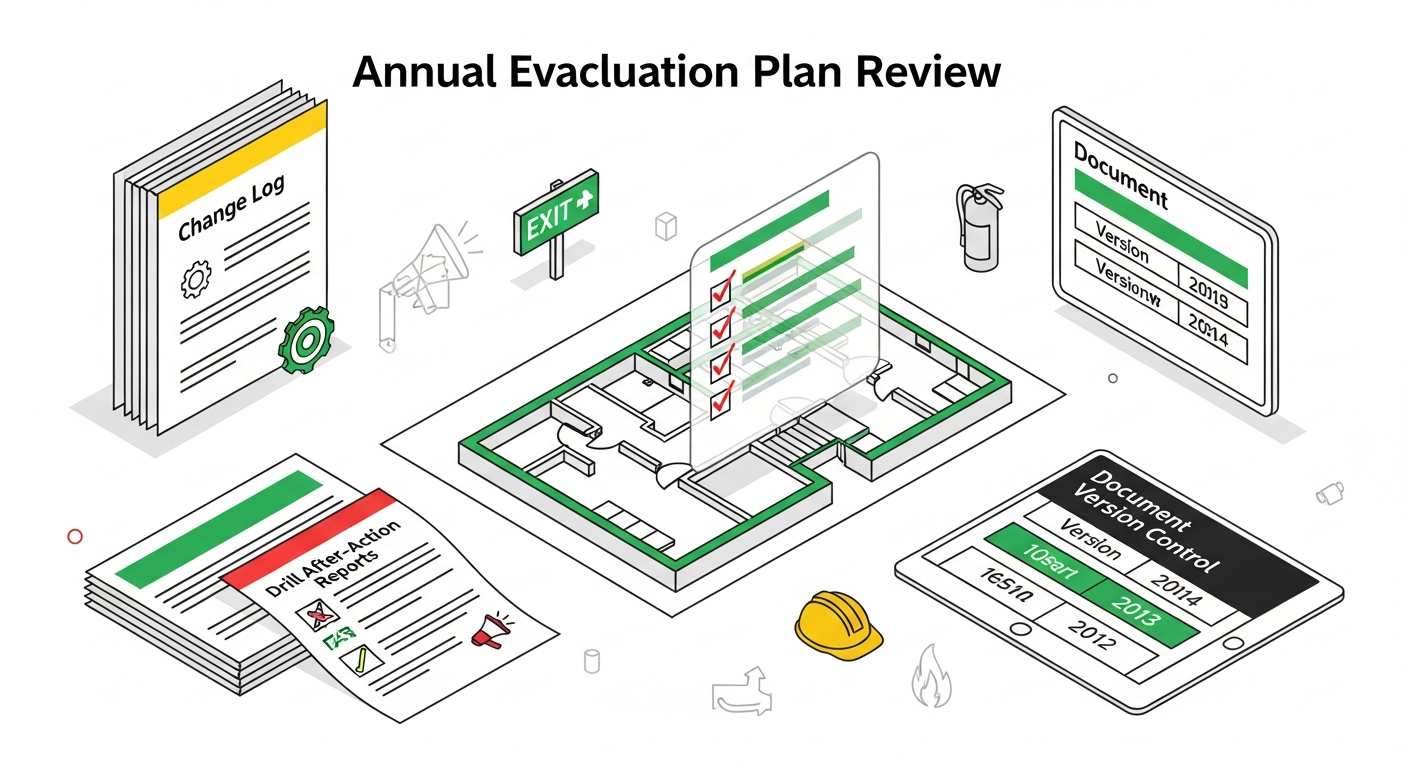
Evacuation Plan Review and Update Cycle: Annual Review Checklist, Triggers for Mid-Cycle Updates and Document Control
An evacuation plan that isn't reviewed is an evacuation plan that becomes inaccurate. This guide provides an annual review checklist, lists the triggers for mid-cycle updates, and explains document control and recordkeeping.
Other topic clusters
Fire Code Compliance Deep Dives
Authoritative guides to the codes that govern evacuation planning in the United States and internationally. OSHA, NFPA, IFC, IBC and Joint Commission requirements explained chapter by chapter for safety officers, code consultants, and facility managers.
Means of Egress Engineering
Technical reference for everyone who has to actually calculate, draw, or sign off on means of egress. Occupant load formulas, exit width math, travel-distance tables, dead-end limits, areas of refuge, stair design and egress hardware — every concept you need on a single shelf.
Occupancy-Specific Evacuation Plans
Vertical-by-vertical playbooks for evacuation planning. From warehouses and manufacturing plants to data centers, laboratories, daycares, nursing homes, construction sites and high-rises — each guide covers the specific hazards, codes and plan elements that vertical actually requires.
Symbols, Signage & Fire Safety Equipment
Everything that shows up on a posted evacuation plan: ISO 7010 and NFPA 170 symbols, fire extinguisher classes and placement under NFPA 10, exit-sign illumination, fire alarm pull-stations under NFPA 72, AED placement, emergency lighting design, assembly-point signage and ADA tactile signs.